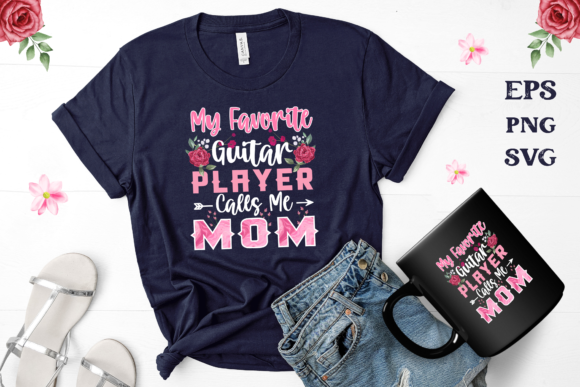
My Favorite Guitar Player Calls Me Mom
When I first pulled up the file for My Favorite Guitar Player Calls Me Mom,, my immediate reaction was a mix of nostalgia and practical design assessment. As someone who spends hours evaluating embroidery files for both personal projects and client work, I look for more than just cute text. I look for balance, stitchability, and emotional resonance that translates well into physical form. This design hits that sweet spot between sentimental humor and clean visual hierarchy, making it a strong contender for boutique apparel and personalized gifts.
The phrase itself is playful and specific. It targets a very clear demographic: parents of musicians, music lovers, or families with a strong bond over creativity. The typography feels modern but approachable, avoiding the overly script-heavy styles that often cause stitching issues in dense areas. For an embroidery designer, this kind of layout is a dream because it allows for clear thread color separation without requiring excessive digitizing adjustments to maintain legibility.
First Impressions and Visual Personality
The mood of My Favorite Guitar Player Calls Me Mom, is warm, proud, and slightly whimsical. It doesn’t scream for attention like a neon graphic; instead, it invites a closer look. The visual personality suggests a handmade product that values sentiment over flashiness. This makes it ideal for custom apparel where the wearer wants to express pride in their child’s talent without being overly loud.
From a design assets perspective, the inclusion of 100 vector shapes offers incredible flexibility. Whether you are looking to create a simple tote bag design or a complex layered patch, having resizable elements means you aren't locked into a single rigid composition. You can adapt the text size relative to any accompanying graphics, ensuring the balance remains intact regardless of the final hoop size.
Real-World Application: The Custom Gift Scenario
Let’s talk about how this performs in a real project. Imagine you are preparing a custom order for a local craft fair or an Etsy listing. A customer comes to you wanting a gift for her daughter, who just won a regional guitar competition. She wants something she can wear to the next recital or practice session.
This is where My Favorite Guitar Player Calls Me Mom, shines. Placing this design on a high-quality cotton sweatshirt or a soft baby onesie creates an instant connection. The text is large enough to be read from a distance, which is crucial for commercial embroidery at events. However, it’s not so massive that it overwhelms the garment’s silhouette.
I recently tested a similar layout on a textured heather grey fabric. The contrast between the dark thread and the mid-tone background made the message pop immediately. If you are using this for holiday embroidery or wedding gifts (perhaps for a musician’s spouse), the versatility of the vector shapes allows you to add small decorative elements—like a tiny guitar pick or musical note—that complement the text without cluttering the design. This attention to detail builds customer trust and elevates the perceived value of your handmade product.
Performance in Stitching Situations
Not all designs translate equally well to the hoop. Here is how My Favorite Guitar Player Calls Me Mom, handles various common embroidery project scenarios:
- Custom Apparel: On t-shirts and hoodies, the text holds its shape beautifully. The letterforms are spaced generously, reducing the risk of thread breaks during high-speed stitching. It works particularly well as a chest logo placement, offering a professional yet personal touch.
- Baby Embroidery: When scaled down for baby clothes or burp cloths, the design retains its clarity. The curves in the letters remain smooth, avoiding the jagged edges that often plague smaller files. It’s a perfect choice for personalized gifts for new parents who love music.
- Tote Bags and Aprons: The sturdy nature of canvas and cotton twill provides excellent support for the stitches. The design looks crisp on these items, making it a great addition to your Etsy seller inventory for back-to-school or teacher appreciation gifts.
- Embroidered Patches: With the available vector shapes, you can easily create a bordered patch version. This adds durability and a finished look, suitable for attaching to denim jackets or backpacks.
Where to Use Caution
Even the best machine embroidery design has limitations. There are specific situations where My Favorite Guitar Player Calls Me Mom, might require careful handling or alternative approaches:
- Small Hoop Sizes: If you attempt to stitch this in a very small hoop (under 4x4 inches), you may lose some of the finer details in the vector accents. Always check the minimum recommended dimensions before committing to the run.
- Stretchy Fabrics: While the design is robust, stretchy fabrics like jersey knit can distort the text if not stabilized properly. Use a cut-away stabilizer to ensure the garment returns to its original shape after washing.
- Dense Stitch Areas: Although the text itself is likely open and breathable, any added graphic elements should be reviewed for stitch density. Too much density in one area can make the fabric stiff and uncomfortable, especially on kids clothing.
- Dark Fabric on Light Thread: Be mindful of thread contrast. If you choose light-colored threads for dark fabric, ensure the underlay stitches are sufficient to prevent show-through. Conversely, dark threads on black fabric can disappear, so test your thread colors carefully.
Practical Designer Notes for Success
To get the most out of this file, I recommend following these steps before starting your production run:
- Test on Scrap Fabric: Never assume a design will stitch perfectly on your final material. Run a test on the exact fabric type you plan to use. This helps you adjust tension and stabilizer choices.
- Review Stitch Density: Zoom in on the vector shapes. Are there any overlapping lines that might cause puckering? Adjusting the satin stitch width or switching to a fill stitch for larger areas can improve the finish.
- Check Licensing: Before selling finished items, confirm the license terms. Some digital files allow commercial use, while others are restricted to personal projects only. Clear licensing protects your craft business from legal issues.
- Use Proper Stabilizer: The right stabilizer is just as important as the design file. For woven fabrics, tear-away might suffice. For knits, use cut-away. This ensures your finished product maintains its integrity through multiple washes.
- Mockup Testing: Create printable mockups to visualize the design on different garments. This helps you present options to clients and decide which placements yield the best aesthetic result.
Final Verdict
My Favorite Guitar Player Calls Me Mom, is a versatile, emotionally engaging design that fits seamlessly into the world of handmade crafts and small business merchandise. Its clean layout, combined with flexible vector assets, makes it a valuable addition to any digital embroidery file collection. Whether you are creating a personalized gift for a friend or stocking your shop with trending apparel decorator items, this design delivers professionalism and charm. It respects the limits of the medium while maximizing visual impact, making it a smart choice for discerning creators who care about quality and customer satisfaction.
For those in the graphics and crafts community, this file represents the kind of thoughtful design that stands out in a crowded market. It’s not just text on a shirt; it’s a conversation starter, a badge of pride, and a testament to the joy of creating something tangible. If you are looking to expand your range of small shop products, this is a reliable, high-potential asset to have in your toolkit.